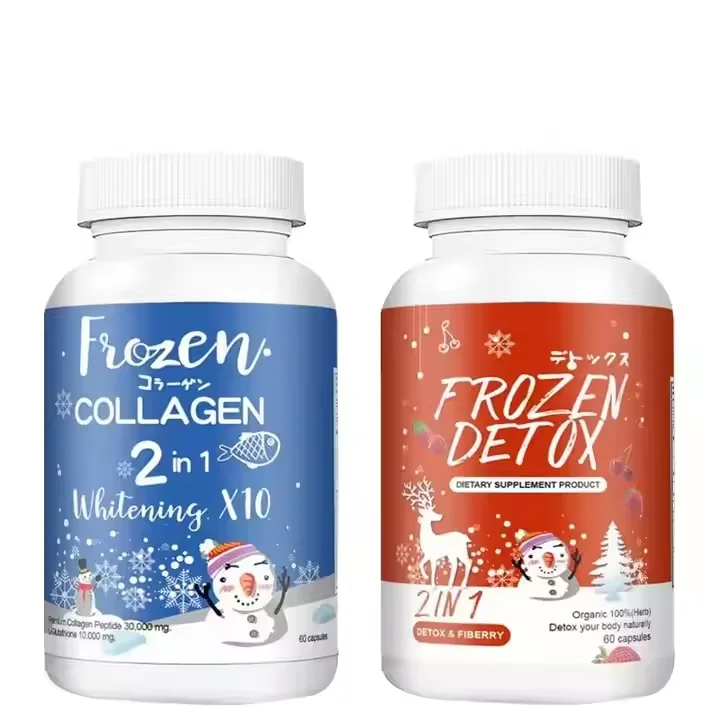
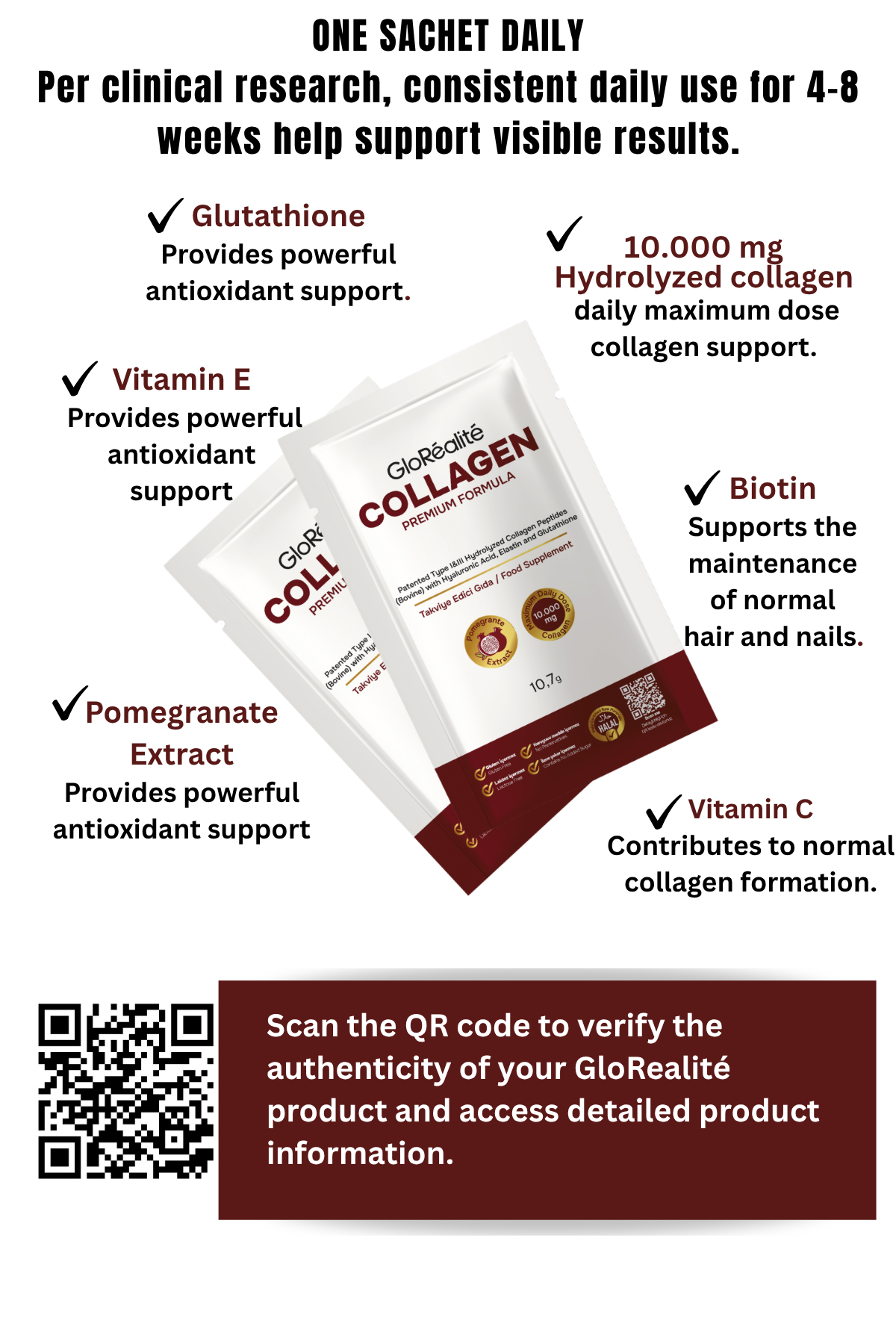
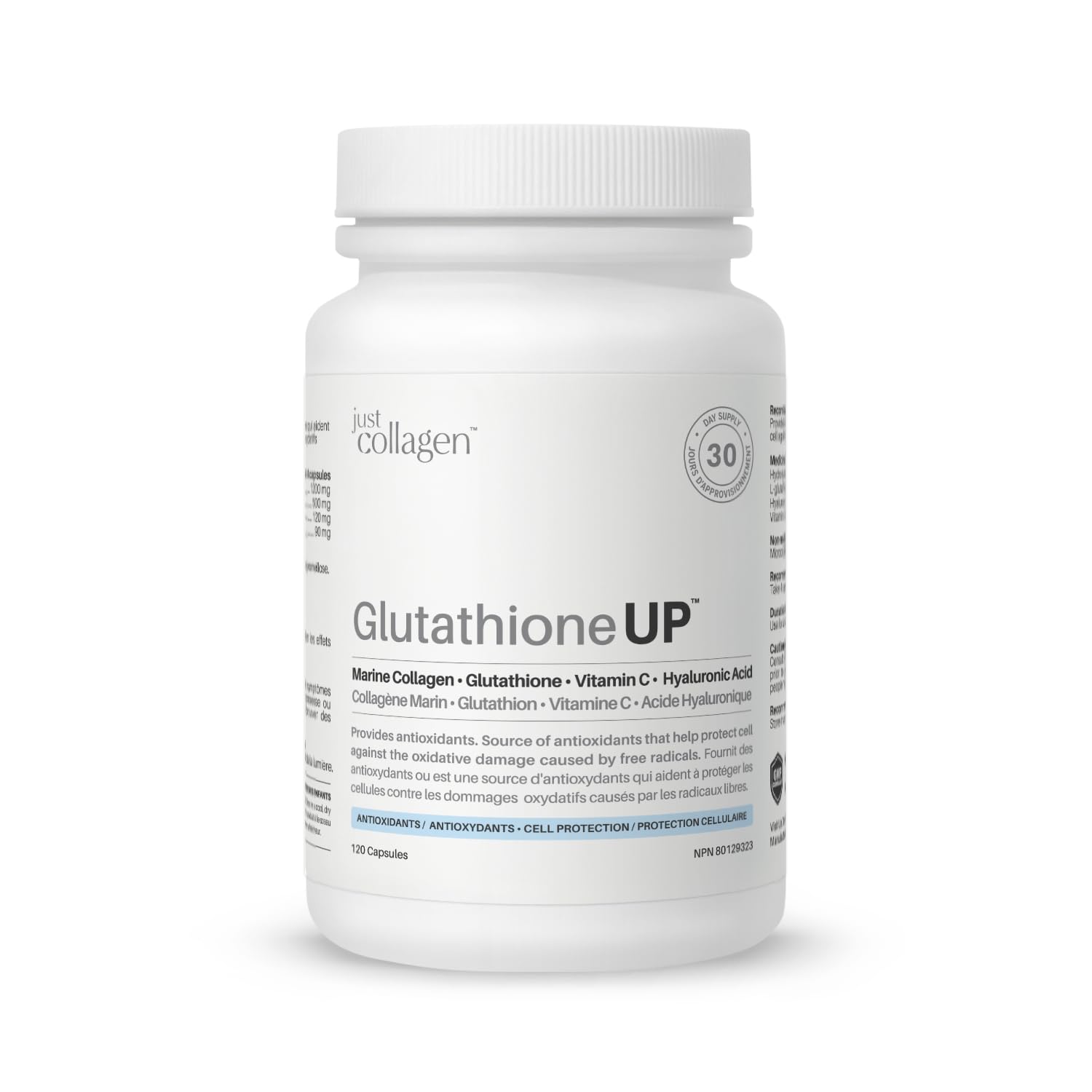
Avoid mixing glutathione with alcohol, smoking, or supplements containing certain minerals, as they may reduce its effectiveness or cause unwanted interactions
Amylin-only versus dual incretin-glucagon activation
Glow BPC 157 10mg + GHK-CU 50mg + TB500 10mg Key Features and Benefits Multi-Peptide Research Formulation : Combines BPC 157 peptide, GHK-CU peptide, and TB500 peptide for investigation of complementary signaling mechanisms in controlled laboratory systems Research-Grade Composition : Supplied as lyophilized powder verified for identity and purity using high-performance liquid chromatography (HPLC) and mass spectrometry (MS) Convenient Laboratory Format : Provided in sterile vials requiring reconstitution with sterile diluent for easy integration into preclinical research protocols Distinct Signaling Pathways : Each component peptide operates through separate molecular targets, allowing researchers to evaluate parallel and divergent signaling effects without parallel administration Multiple Research Applications : Suitable for in vitro cell culture systems, ex vivo tissue models, and animal studies examining coordinated tissue responses Stable Storage Profile : Lyophilized format maintains peptide integrity at standard refrigeration temperatures with minimal degradation over time Quality Documentation : Each batch includes analytical verification and can be supplied with certificates of analysis upon request For Laboratory Research Use Only : Intended exclusively for regulated research environments and qualified investigators conducting preclinical studies Glow BPC 157 10mg + GHK-CU 50mg + TB500 10mg Mechanism & Research Applications The BPC 157 peptide, GHK-CU peptide, and TB500 peptide formulation has been studied for its proposed effects across multiple biological systems
Injection Site Reactions: Risk of infections, swelling, and pain at the injection site due to improper administration
Haddad M, Herve V, Ben Khedher MR, Rabanel JM, Ramassamy C
Ramsay is a recipient of scholarships from the National Health and Medical Research Council of Australia, the Cancer Institute New South Wales, and the Translational Cancer Research Network